

Will SNAP Benefits Be Available in November During the Government Shutdown?

Olivia Thomas
Published Aug 2, 2026
Millions of Americans depend on the Supplemental Nutrition Assistance Program (SNAP), also known as food stamps, for help buying healthy food. Normally, SNAP provides monthly benefits to low-income families.
Even though the government has been partially shut down, October’s SNAP benefits were paid as usual. But now, the U.S. Department of Agriculture (USDA), which runs SNAP, says that there isn’t enough funding to pay all November benefits if the shutdown continues.
Why is this happening? The shutdown started on October 1 because Congress couldn’t agree on a new budget for the next year. As of October 22, this is the second longest shutdown ever.
What Could Happen in November?
The USDA wrote to state agencies on October 10 saying there won't be enough money for November’s SNAP benefits if Congress doesn’t resolve the budget problem. About 42 million people across the country could be affected.
The USDA and other officials are blaming lawmakers for the ongoing shutdown. They say that if things don’t change soon, families in need may not get SNAP or other benefits on time.
What Can SNAP Recipients Do?
SNAP benefits are given out by state agencies, but the money comes from the federal government. If November benefits aren’t paid out, people who use SNAP should check with their state agencies to find other ways to get food assistance.
If you have leftover money on your SNAP EBT card from previous months, you can still use it. SNAP benefits, once added, are valid for a full year.
Other Help Available
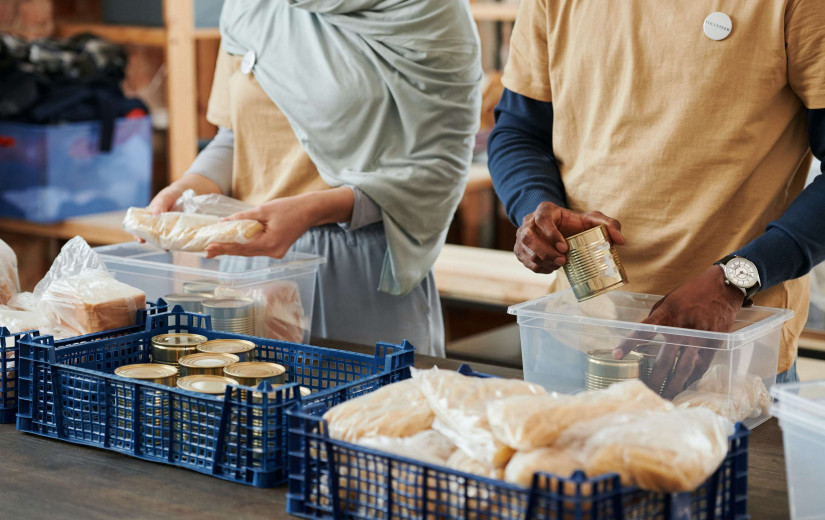
If SNAP benefits are delayed or reduced, families can turn to local food banks or subsidized meal programs. You can find a nearby food bank by entering your zip code on the Feeding America website.
However, food banks may struggle to help everyone. For example, George Matysik, who runs a major food bank in Philadelphia, says SNAP helps far more people than food banks can.
His organization is working to buy and collect more food in case the need grows, but food banks alone cannot cover what SNAP usually provides.
-
Subscribe to secure your food stamps and learn more about this government benefit
Popular Articles



Weekly newsletter
Receive the latest releases and exclusive articles straight to your inbox every week.
Recent Articles
View all posts
SNAP Benefits Are Going Up for 2027: What Families Need to Know...
Millions of Americans on food assistance are getting a small boost this fall. The USDA published its fiscal year 2027 cost-of-living adjustments, which took effect on October 1, 2026. How Much Are...
SNAP Rule Changes in 2027: What You Need to Know...
Federal updates to the Supplemental Nutrition Assistance Program (SNAP) have significantly shifted food assistance eligibility nationwide. According to data from the U.S. Department of Agriculture (USDA) analyzed by th...
Navigating Your SNAP Recertification for October 2026...
Recertifying your food stamps can feel stressful, but it doesn't have to be overwhelming. We are here to help you understand every step so your household keeps getting the food assistance you need. What Is S...

What to Know About the Upcoming SNAP Cost-of-Living Increases...
Starting October 1, 2026, millions of food stamp recipients will see a slight bump in their monthly benefits. The U.S. Department of Agriculture (USDA) official memo confirms that annual cost-of-living adju...
Fueling Your Fitness: Can You Buy Creatine with EBT?...
There comes a point in life when we finally decide to get healthier and build muscle. However, it's often a struggle to find food to help you gain at a friendly price. Nutrition matters for muscle building, and ...

Good News for Grocery Budgets: SNAP Benefits Are Increasing on October 1...
Starting October 1, 2026, maximum monthly allotments for the Supplemental Nutrition Assistance Program (SNAP) will increase. This annual adjustment is designed to help your food budget keep up wi...